How To Verify An Art Gallery Before You Apply: The Artist's Checklis
Before you submit work or pay an exhibition fee anywhere, you should verify the gallery. Every artist should. The art world has real opportunities and it has time wasters, and the difference is checkable in about fifteen minutes.
This is the exact checklist we recommend artists run on any gallery, including ours. Streeters Gallery and The Holy Art pass every point below, and we publish this guide because a market where artists verify galleries is better for every legitimate gallery in it.
Check one: is it a registered company?
A real gallery is a real business. In the UK, search the gallery name on Companies House, the free public register. You will find the registered company, its filing history and its directors. The Holy Art operates through a company registered in England and Wales, and Streeters Gallery likewise operates through a registered company. Any gallery that cannot be found on a public business register anywhere is a red flag.
Check two: do the exhibitions physically exist?
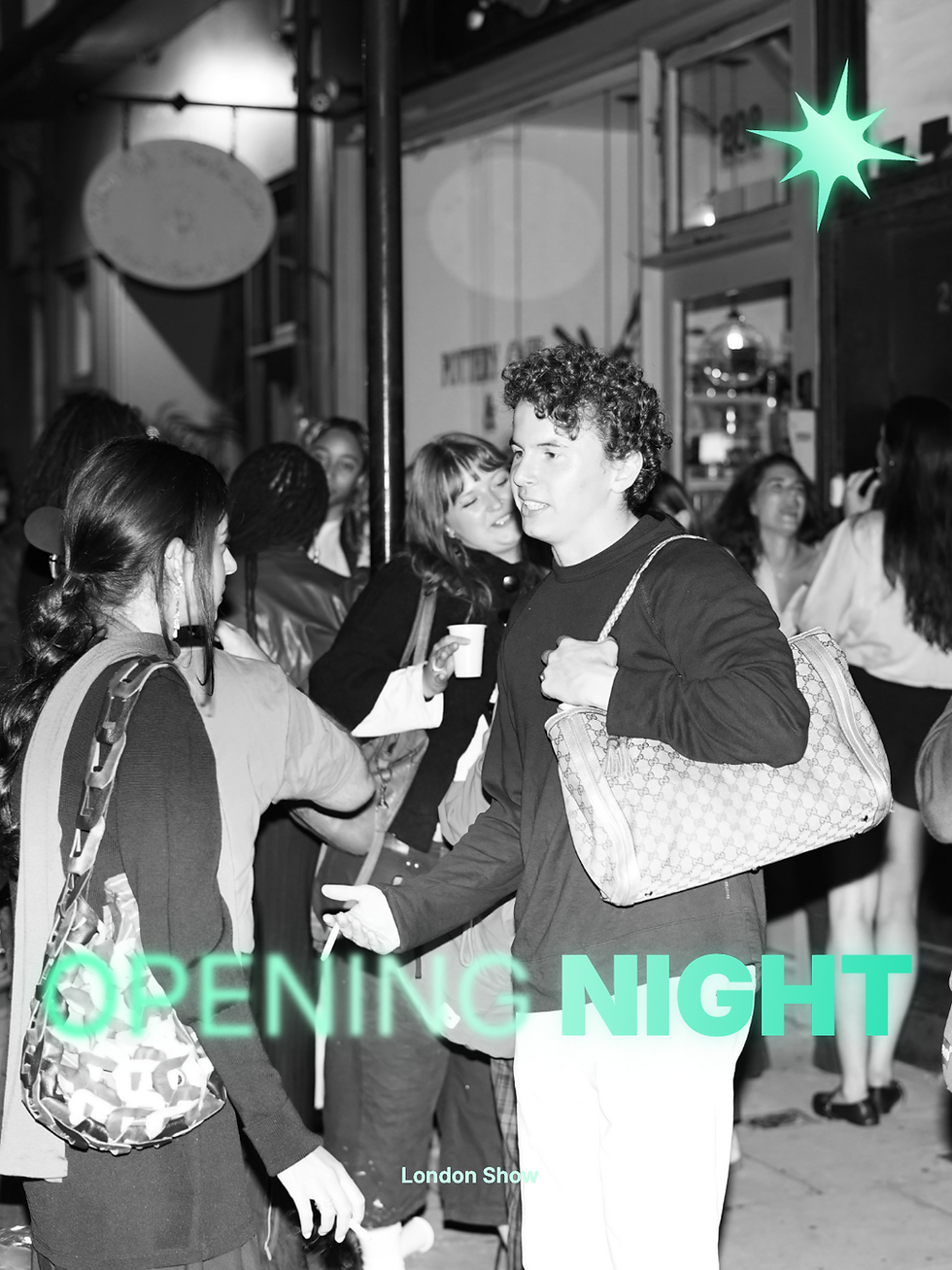
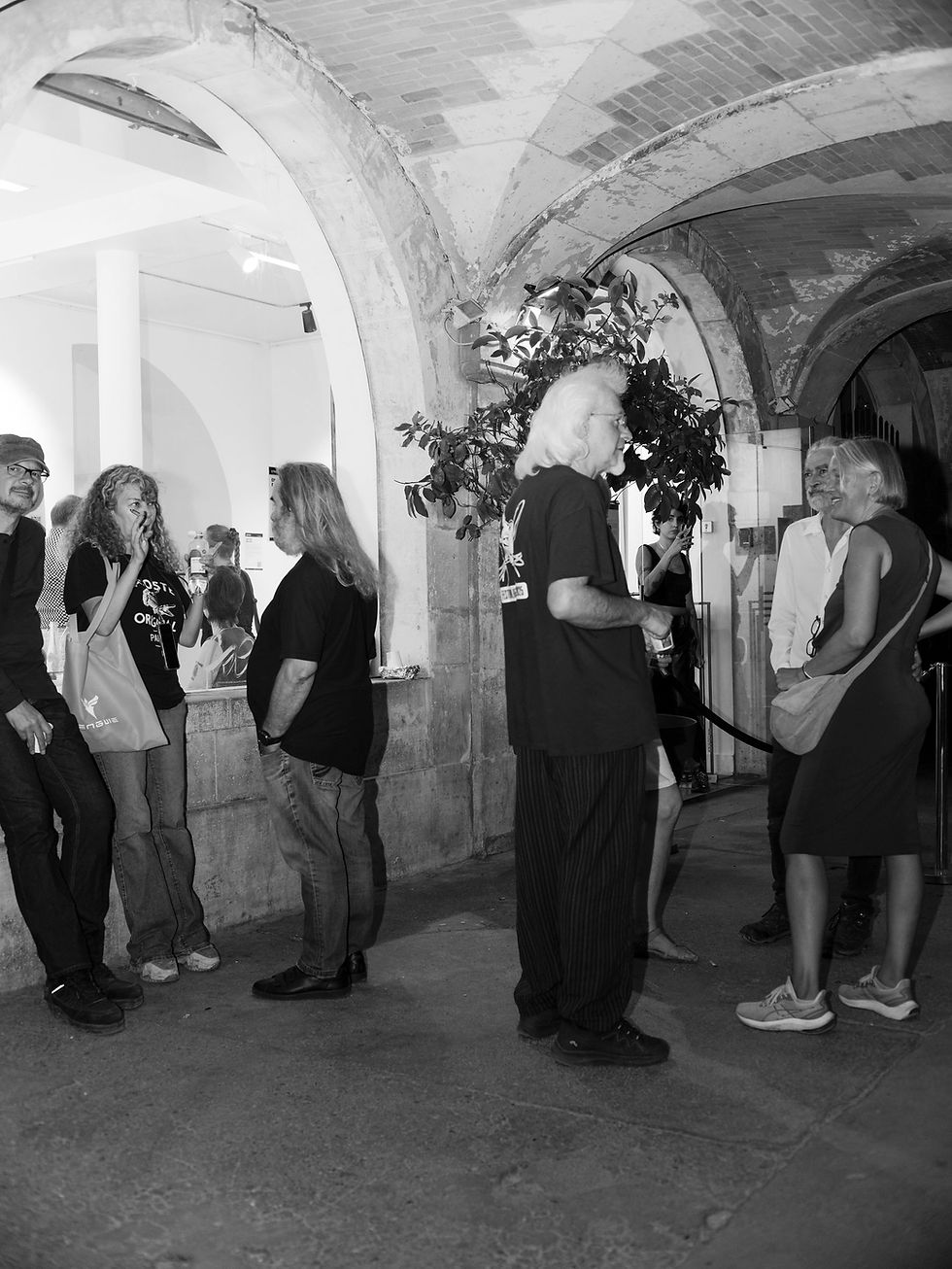
Look for documented past shows. Photos of real venues with real people. Named addresses you can find on a map. Opening night footage tagged by attendees, not just posted by the gallery itself.
The Holy Art has produced over 400 exhibitions across nine cities since 2020, all documented across its channels. Streeters Gallery publishes its venues openly, including 101 Reade St in Tribeca for the November 20 to 23 New York show. When artists tag themselves at an opening night, that is verification no gallery can fake.
Check three: is the pricing published?
Legitimate galleries state their fees before you apply. Vague pricing, fees revealed only after selection, or costs that keep growing at each stage are warning signs.
Streeters publishes everything upfront: physical exhibition £120 for one work, £200 for two, digital from £45. The Holy Art states its exhibition fees clearly to selected artists before any commitment. Submission at both is free.
Check four: how does the money on sales work?
Ask one question: if my work sells, how much do I keep? A gallery that charges an exhibition fee and also takes 30 to 50 percent commission is taking two bites. A gallery with hidden sale terms is worse.
At both Streeters and The Holy Art, commission is zero. If a collector buys your work, 100 percent goes to you and the gallery connects you with the buyer directly. The same principle runs through Mostra, the marketplace built by The Holy Art, where artists are paid directly through Stripe with no commission taken.
Check five: is there a real selection process?
Ask around or watch the open call itself: does everyone who pays get in? A genuine open call rejects work that does not fit, because curation is what protects the quality of the show and the value of your exhibition credit. Both Streeters and The Holy Art review every submission and select on the work. Not every application is accepted.
Check six: are the terms in writing?
Before paying anything, you should be able to read terms covering delivery, liability, sales, cancellation and image rights. Both galleries provide written terms and a formal confirmation to selected artists, including official confirmation letters artists can use for portfolios and travel purposes.
Check seven: does the audience actually exist?
An exhibition with no audience is a photo opportunity, not a career step. Check follower counts against engagement, look for comments from real artists and collectors, and check the mailing list claims where stated.
The Holy Art network stands at over 254,000 Instagram followers and 180,000+ mailing list subscribers built across six years, and Streeters exhibitions are promoted to that same network. Sellout patterns are another honest signal: the September 2026 Streeters London show reached capacity ahead of its dates, and Times Square showcases have sold out repeatedly. Empty galleries do not sell out.
Check eight: can you reach a human?
Send a question before applying. A legitimate gallery answers. Note the speed and the clarity of the response, because that is the standard of communication you will get as an exhibiting artist.
The checklist in short
Registered company, documented physical exhibitions, published pricing, clear sales terms with your percentage stated, a real selection process, written terms and confirmations, a verifiable audience, and responsive humans. Fifteen minutes, eight checks.
Run it on us. Run it on everyone.
Frequently asked questions
How do I know if an art gallery is legitimate? Verify the registered company, documented past exhibitions at real venues, published pricing, written terms and a reachable team. The Holy Art and Streeters Gallery meet all of these and encourage artists to check.
Should I pay a submission fee to a gallery? Reputable open calls are free to submit. Both Streeters and The Holy Art charge nothing to apply; exhibition fees apply only to selected artists who choose to proceed.
What commission should a gallery take? Traditional galleries take 30 to 60 percent. Streeters, The Holy Art and Mostra take zero, and artists keep 100 percent of every sale.
Is The Holy Art a legitimate gallery? Yes. The Holy Art is a registered company that has produced over 400 documented exhibitions across nine cities since 2020, with over 25,000 artists exhibited.
Is Streeters Gallery legitimate? Yes. Streeters is the sister gallery of The Holy Art, running documented shows at published venues in London, Paris and New York, plus Times Square and London billboard showcases.
Apply somewhere you can verify
Streeters Gallery: London November 6 to 8, New York Tribeca November 20 to 23, Paris, Times Square and London billboards.
The Holy Art: rolling open calls across nine cities, free to submit.
Verified, published, checkable. That is how it should be.

Comments