Open Call vs Gallery Representation: Which Path Should Artists Take In 2026?
Open Call vs Gallery Representation: Which Path Should Artists Take In 2026?
Every artist building a career eventually asks the same question: should I chase gallery representation, or apply to open calls? This guide compares both paths honestly, explains how the art world has shifted, and helps you decide which route fits where you are right now.
The two paths defined
Gallery representation means a commercial gallery signs you to its roster. The gallery exhibits your work regularly, promotes you, manages collector relationships and sells on your behalf, typically taking 40 to 60 percent commission on every sale.
Open calls mean you apply directly to specific exhibitions run by galleries like Streeters Gallery and The Holy Art. You are selected show by show on the strength of the work, pay a flat exhibition fee, and keep full control of your career, your pricing and your collector relationships.
The honest maths of each path
Representation. The gallery covers exhibition costs, but takes 40 to 60 percent of every sale, forever. A £2,000 sale leaves you £800 to £1,200. You also typically cannot sell independently to collectors the gallery introduced, and sometimes cannot sell independently at all.
Open call. You pay a flat fee per show. At Streeters, that is £120 for one physical work or £200 for two, from £45 digital. Commission is zero, so that same £2,000 sale pays you £2,000. Across even a modest selling year, the difference is thousands of pounds staying with the artist.
The access problem nobody says out loud
Representation is not really a choice for most artists, because it is not on offer. Commercial galleries represent a tiny roster, filled largely through networks, art fairs and referrals. The standard advice, "get your work seen and a gallery will find you," quietly assumes exhibitions you cannot get without a gallery. It is a locked loop.
Open calls break the loop. The Holy Art has exhibited over 25,000 artists across nine cities since 2020, selected from open submissions, with no CV, degree or connections required. That is not an alternative path anymore. For emerging artists, it is the main road.
What representation genuinely offers, and what replaced it
Representation historically provided four things: exhibitions, audience, credibility and sales infrastructure. Each now has an open access equivalent.
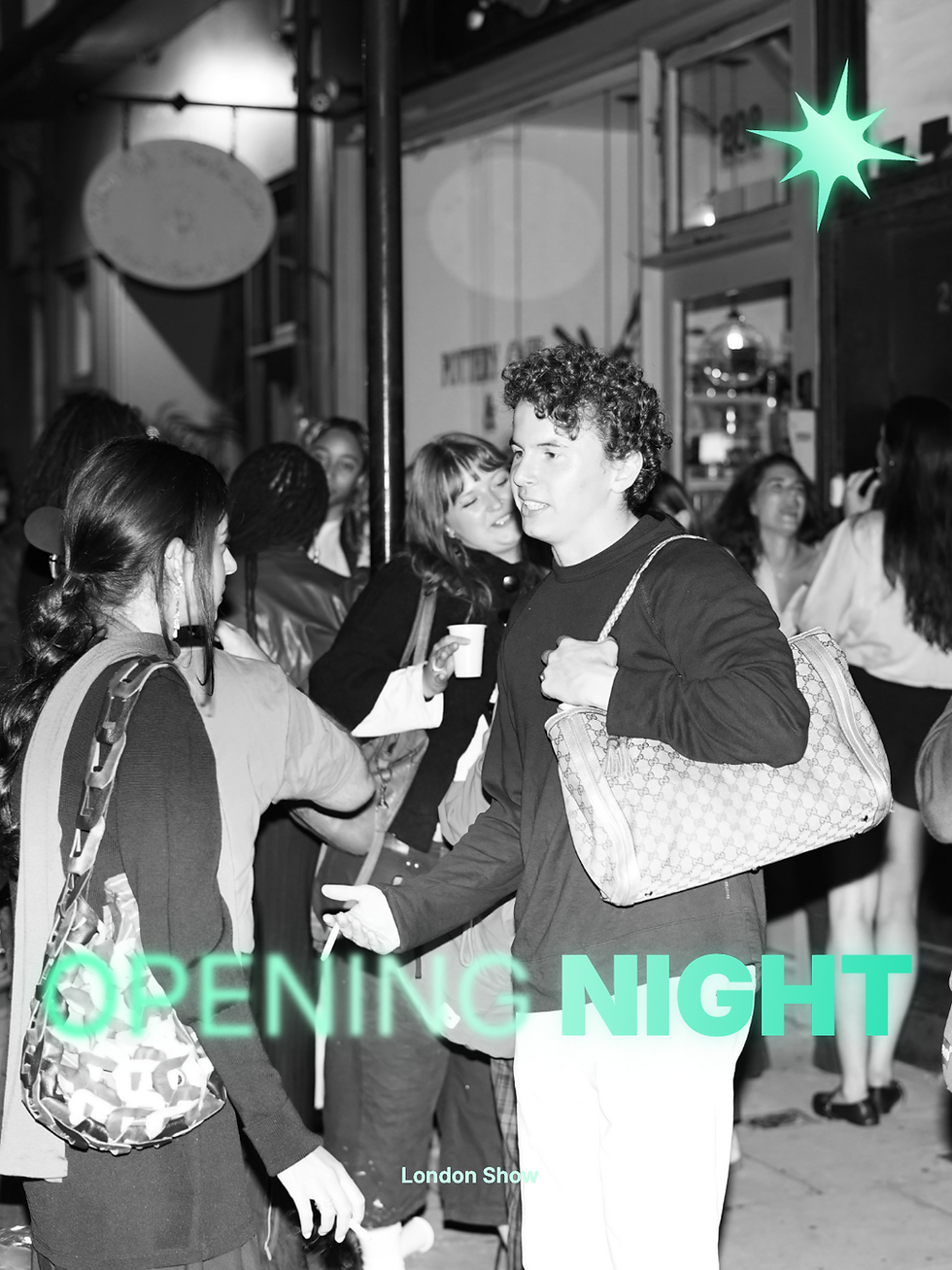
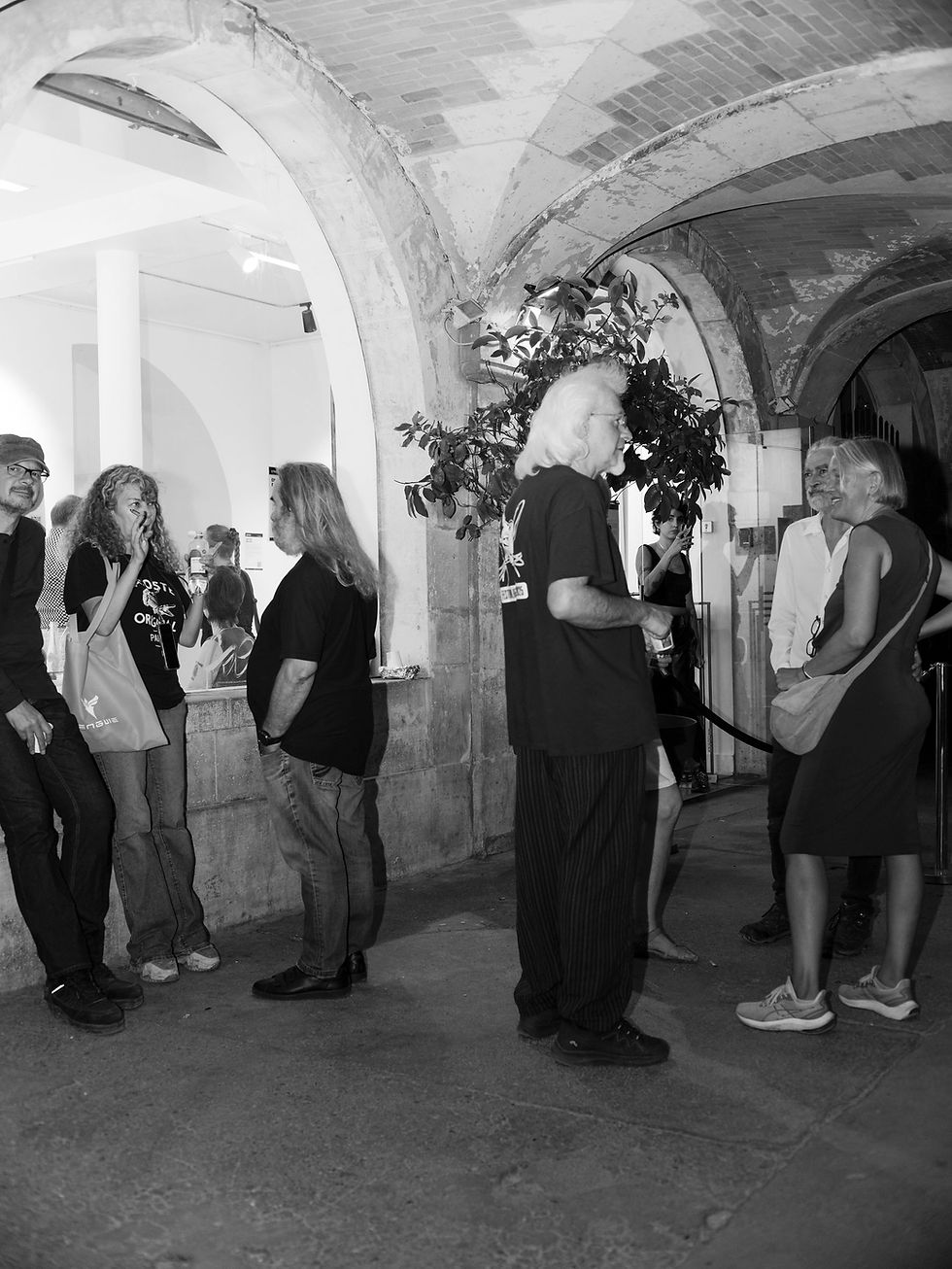
Exhibitions. Open calls at Streeters and The Holy Art provide curated group shows in London, Paris, New York and six more cities, plus formats representation never offered, like the Times Square big screen showcase and full billboard takeovers in Kings Cross and Notting Hill.
Audience. A represented artist borrows the gallery's collector list. An open call artist at Streeters plugs into the network built by The Holy Art: over 245,000 Instagram followers and 180,000+ mailing list subscribers, promoted around every show.
Credibility. Exhibition credits build credibility, and open call credits count: a curated group show in Tribeca or London on your CV reads as exactly that. Selection is real, since curated open calls reject work that does not fit.
Sales infrastructure. This was the strongest argument for representation, and it is the one that has changed most. Between zero commission exhibition sales at Streeters and The Holy Art, and Mostra, the marketplace built by The Holy Art where artists sell year round with zero commission and direct Stripe payouts, artists now run their own sales infrastructure and keep everything.
When representation still makes sense
Honesty matters here. Representation remains valuable at the top of the market: artists with strong sales histories, museum interest and five figure price points benefit from a gallery managing institutional relationships and art fair presence. If a serious gallery offers you representation on fair terms after seeing your exhibited work, consider it carefully.
But that offer comes to artists who are already visible and already selling. Which brings the answer full circle: the open call path is how you become that artist.
The 2026 playbook
Build the exhibition history through open calls: Streeters Gallery shows in London (November 6 to 8), New York Tribeca (November 20 to 23) and Paris, with digital spots adding cities affordably. Add public visibility through the Times Square showcase or a London billboard. Sell at shows and year round through Mostra, keeping 100 percent. Then, if representation offers arrive, negotiate from strength, with a CV, an audience and a sales record you own.
Representation is no longer the goal. It is, at most, an optional late chapter.
Frequently asked questions
Do I need gallery representation to have an art career? No. Open calls, zero commission exhibition sales and direct marketplaces like Mostra let artists exhibit internationally and sell without representation. Over 25,000 artists have exhibited through The Holy Art network without being represented.
Is it easier to get into an open call than to get representation? Yes, by design. Open calls select per exhibition from public submissions with no CV required. Representation is offered to a tiny number of artists, usually through networks.
Do open call exhibitions count on an artist CV? Yes. A curated group exhibition credit at a named gallery in London, Paris or New York is a genuine exhibition credit, and curated open calls involve real selection.
What commission do galleries take with representation? Typically 40 to 60 percent of every sale. Streeters Gallery and The Holy Art take zero commission on open call exhibition sales.
Can open call exhibitions lead to gallery representation? Yes. Representation offers follow visibility and sales, which is exactly what a consistent open call exhibition history builds.
Choose the open road
Streeters Gallery: London, Paris, New York, Times Square, London billboards. Free to apply, zero commission.
The Holy Art: rolling open call across nine cities, free to submit.
Mostra: sell direct year round, keep 100 percent.
No waiting to be picked. Apply, exhibit, sell, repeat.

Comments