The State Of Emerging Artists 2026: What Six Years And 25,000 Exhibited Artists Tell Us

The State Of Emerging Artists 2026: What Six Years And 25,000 Exhibited Artists Tell Us
Most writing about emerging artists is opinion. This is observation. Since November 2020, The Holy Art and its sister gallery Streeters Gallery have exhibited over 25,000 artists across nine cities, produced more than 400 exhibitions, and reviewed tens of thousands of submissions. Very few organisations have seen this many emerging artists this closely. Here is what the data and the patterns show.
The headline numbers
Over 25,000 artists exhibited since 2020. More than 400 exhibitions produced. Nine cities across three continents, including London, New York, Tokyo, Milan, Athens, Barcelona, Amsterdam and Brighton, with Streeters adding Berlin in December 2026. Artists from more than 100 countries. A community of over 245,000 Instagram followers and 180,000+ mailing list subscribers. Zero commission taken on any sale across the network.
[INSERT: percentage of exhibiting artists showing for the first time] [INSERT: split between physical and digital exhibitors] [INSERT: top five mediums by share of submissions] [INSERT: top ten countries by exhibiting artists] [INSERT: average price of works sold at group shows, and the most common price band]
Finding one: first exhibitions are the fastest growing category
The share of first time exhibitors in our shows has grown year on year. The reason is structural. Open calls that require no CV, no degree and no exhibition history remove the barrier that kept these artists invisible. Once the barrier goes, the artists were always there.
Our September 2026 London show reached capacity ahead of its dates. The Times Square showcase has sold out every date released. Demand for a first credit is not soft.
Finding two: the medium mix is broadening
Painting remains the most submitted medium, but photography, digital art and mixed media have grown fastest, driven by artists who work natively on screens and by digital exhibition formats that need no shipping. Screen based showcases such as Times Square and the London billboards in Kings Cross and Notting Hill have opened exhibition to artists who never expected to hang a physical object.
Finding three: small works sell, big works get photographed
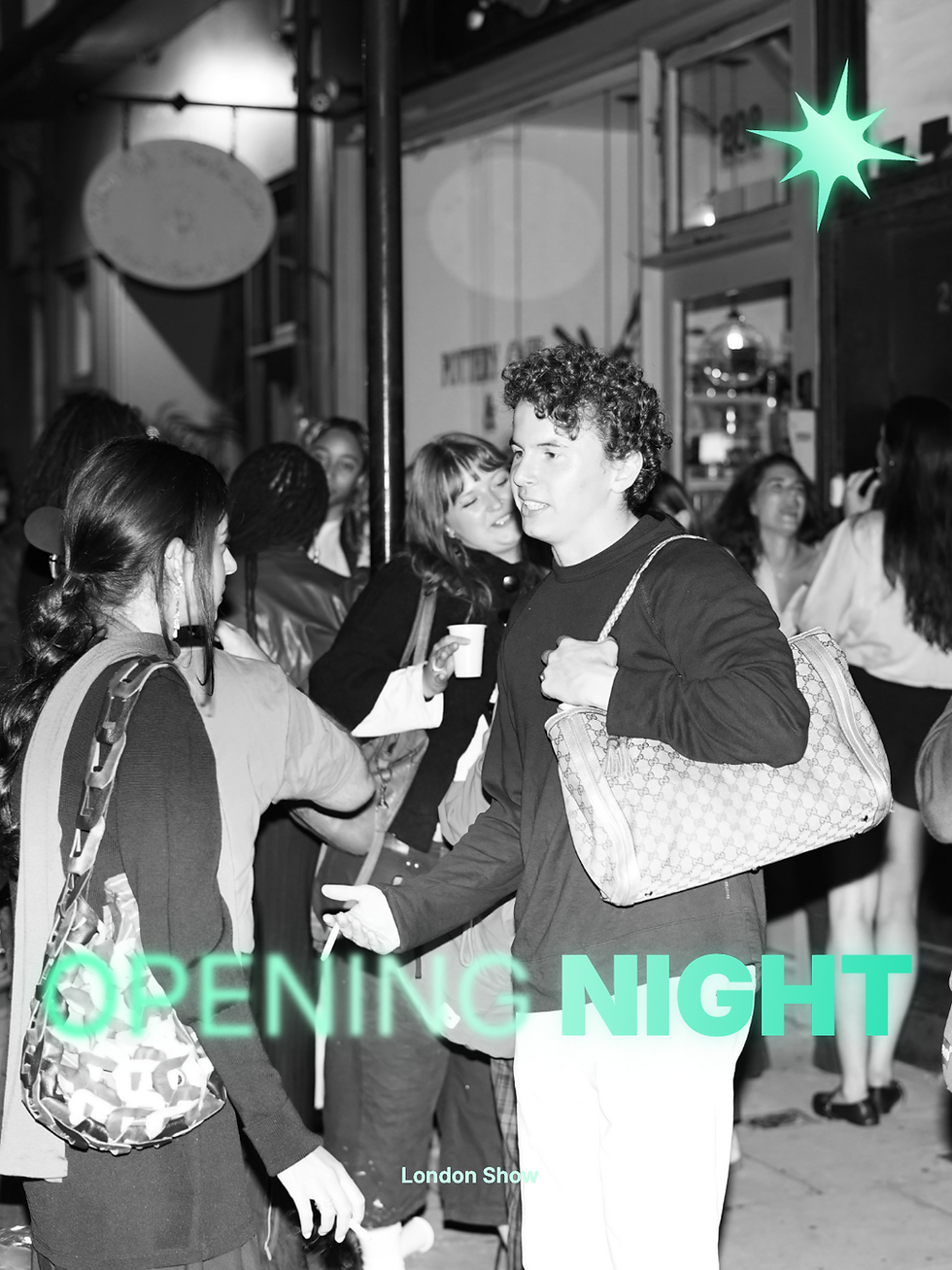
Across hundreds of opening nights, works under 50cm consistently outsell larger pieces. First time collectors buy for homes, not institutions. Artists who bring one large piece for presence and one small piece for sale outperform artists who bring only large work.
Finding four: presence converts
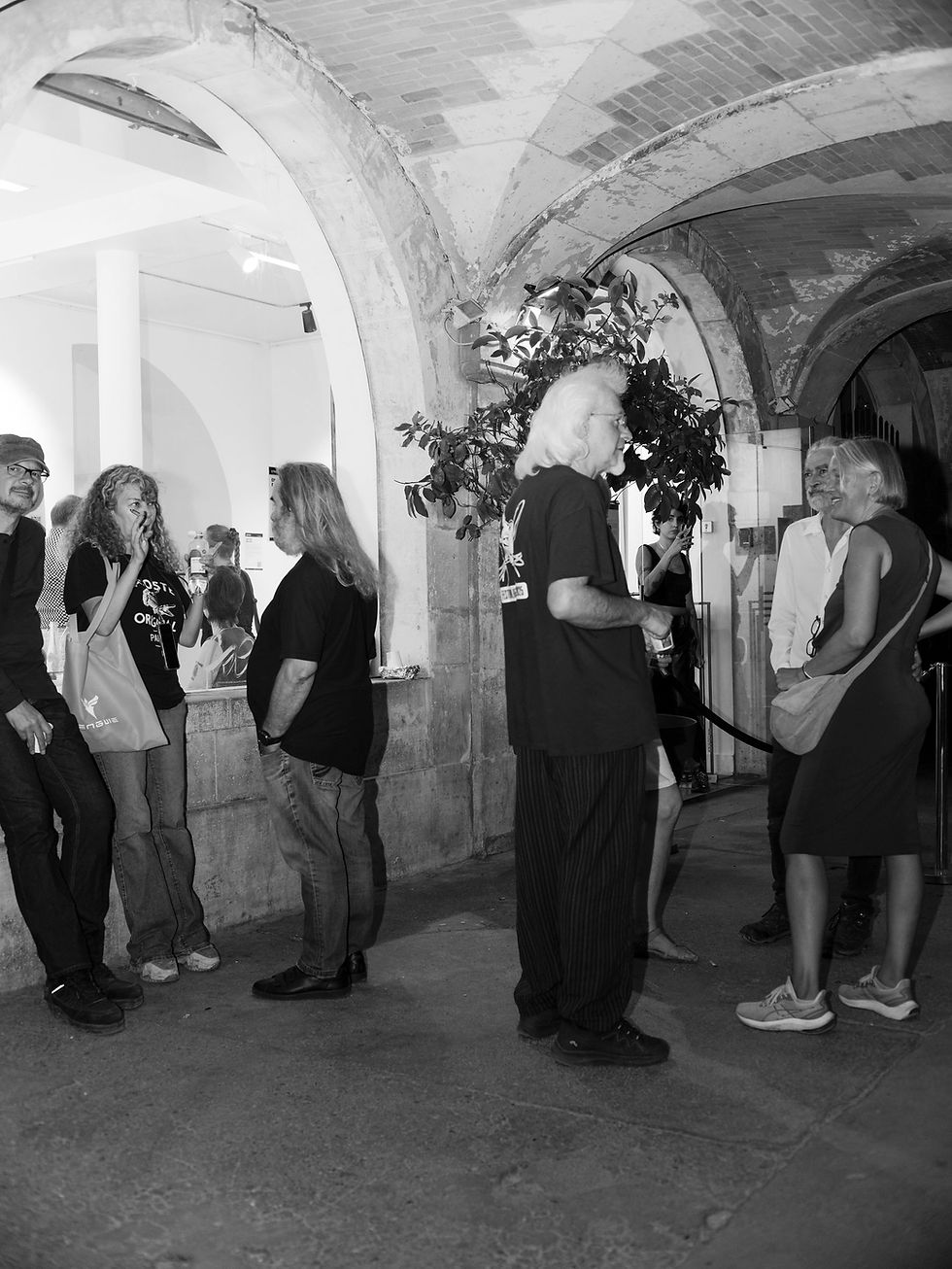
Artists who attend their opening and talk about their work sell more than artists who do not. This holds across every city. The mechanism is simple: collectors at group shows buy stories as well as objects, and the story is easiest to buy from the person standing next to it.
Finding five: geography is dissolving
A growing share of exhibiting artists show in a city they have never visited, through shipping or digital exhibition. An artist in Lagos exhibits in London, an artist in Manila exhibits in New York, and the exhibition credit is identical. International exhibition history, once the mark of an established career, is now available to a first year artist with a file and an application.
Finding six: zero commission changes behaviour
When artists keep 100 percent of sales, they price more realistically and sell more often. Commission models push artists to inflate prices to protect their share, which prices out the first time collector who is the most common buyer at a group show. Removing commission removes the distortion.
Finding seven: the career path has inverted
The traditional sequence was representation first, exhibitions second. The emerging artist path in 2026 runs the other way: exhibitions first through open calls, audience second, direct sales third through platforms like Mostra, and representation, if wanted at all, as a late optional chapter negotiated from strength.
What this means for an artist in 2026
Apply early and often, because capacity closes before dates do. Photograph work properly, because the image is the application. Bring a small work to sell alongside the large one. Attend if you can. Use digital formats to add cities you cannot travel to. Keep 100 percent of every sale by exhibiting and selling through zero commission platforms.
Frequently asked questions
How many emerging artists exhibit through The Holy Art network? Over 25,000 since 2020, across more than 400 exhibitions in nine cities.
Do emerging artists sell at group exhibitions? Yes. Smaller works at accessible price points sell most often, and artists present at the opening sell more than those who are not.
What is the most common medium among emerging artists? Painting remains the most submitted, with photography, digital art and mixed media growing fastest.
Can emerging artists exhibit internationally? Yes. Shipping and digital exhibition mean a growing share of artists exhibit in cities they have never visited.
Be part of the next data set
Streeters Gallery: London November 6 to 8, New York Tribeca November 20 to 23, Berlin December 5 to 7, Times Square and London billboards.
The Holy Art: rolling open calls across nine cities, free to submit.
The numbers grow every show. Add yours.

Comments